Skip to content

A word from the President

Founded in 1923 by Magnus Poirier and his wife, Ernestine Guénette, Magnus Poirier is a century-old family business recognized for supporting families with respect, professionalism, and integrity. These deeply rooted values guide each and every one of our actions and have shaped the way we have served families for more than a century.


As a fourth-generation member of the Poirier family, I have the honour of upholding this tradition alongside several family members who are actively involved in the business. This continuity allows us to remain true to our roots while adapting our services to the evolving needs of the families we serve, with professionalism and compassion.

xxx

xxx

xxx

xxx

Isabelle Poirier, President

Funeral pre-arrangements

Plan your funeral pre-arrangements online

Funeral arrangements

Has a death just occurred?

We accompany you

Frequently asked questions

26 Oct. 2020

What are the different types of ceremonies?

What are the different types of ceremonies?

Traditional funeral
In keeping with cultural or religious traditions, a traditional funeral consists of the presentation of the body in a casket in a parlour, followed by a ceremony in a church, after which the deceased is taken to the cemetery for burial in the ground or in a crypt.

Depending on the family, the funeral rite can also be celebrated in the chapel of the funeral complex, followed by burial or placing in a crypt in the cemetery.

Traditional funeral followed by cremation
Identical to a traditional funeral, except that the body, after the funeral ceremony, is taken to a crematorium for cremation. The ashes collected will then be buried in a family plot, deposited in a columbarium niche, or given to the family to do with as they see fit.

Funeral in the presence of the ashes
This type of funeral leaves a great deal of latitude to families in the choice and execution of the funeral. See “Cremation” for more details.

Ecological funeral
Discover new funeral rituals such as ash dispersal, planting an urn at the base of a memorial tree, planting a tribute tree, and biodegradable caskets and urns.

Affordable funeral
Funerals at lower cost in less-busy time slots that allow for a simple but dignified and respectful tribute.

Finally, personalized tributes. We can create a personalized tribute according to your tastes, priorities and needs. See the “Commemorations” section for more information.

26 Oct. 2020

Are funeral services maintained during the health crisis?

Are funeral services maintained during the health crisis?

Most of our services are maintained, as the Quebec government has classified funeral homes as essential. Thus, the following activities are maintained, some of which are governed by safety guidelines:

To limit the risk of contagion, the following services will be interrupted during the pandemic:

  • Catering
  • The Laval Cemetery’s shuttle

1 Jan. 2010

How do you tell children about a death?

How do you tell children about a death?

By NosRituels.com

Grandpa is gone… How do we tell our child about his passing? Should we say that he’s gone to heaven, or on a trip? Should our child accompany us to the funeral home? Here are a few helpful tips.

It used to be that wakes were held in the home, and so children had more contact with death, especially since it was not uncommon to lose a little brother or sister at a young age. Nowadays, paradoxically, their contact with death is mostly virtual, through video games and action films. Children therefore have a complicated relationship with death, which we will have to demystify with them.

Should we tell the truth? Yes—it allows them to better face reality. As adults, we would like to protect children from the pain of bereavement. But on the contrary, unspoken topics and silence are what’s harmful. Tell them things as they happened, using words they understand, but without ever hiding the truth. The child’s trust in you is at stake.

When and how should we discuss it? Announce it as soon as possible, preferably at the same time as you announce it to your close circle. The child will feel that they are a full-fledged member of the family and will benefit from the support of the adults around them. Your beliefs may suggest elements of comfort to draw from.

On the other hand, if you are not religious, you can make an analogy with the death of your dog or cat, if you have one, or with music, as author Dale McGowan did in an article in L’Actualité to explain the death of her great-grandfather to his six-year-old daughter: “When the orchestra falls silent, there’s no more music. We are the music played by our bodies, our neurons. When the body dies, we’re gone. The music is not afraid because it’s not there anymore, and it’s not sad either. But it stays in our heads and in our hearts. Just like Grandpa.”».

How can we help our child express their emotions? Often, a grieving child tends to feel guilty about the person’s death and may fear that, through “contagion,” other family members will die. Reassure them using a warm and authentic tone. Tell them that you’ll take care of them, that they’re not alone, and, as much as possible, keep to your daily routine.

A child who has lost a loved one will tend to model their attitude on that of the adults around them. By allowing yourself to express your grief, you are also allowing your child to do the same, which is desirable and healthy. Play, drawing, writing can be useful to help them express their emotions. Reading a little book about death is a good way to approach the subject.

A child feels the same emotions as an adult, but has different reactions. They cannot live in suffering for long. They will continue their activities as a child, play with their friends and watch their favourite TV show. That doesn’t mean they’re not affected.

Should they attend the funeral? Yes, having the child participate in the funeral will help them understand the reality of the death. Offer to bring them along, but don’t force them if they don’t want to. Also, plan for short visits, as the service and viewing can feel very long to them. Make sure someone can take over. Let the child express their motives, and respect their decision.

Reassure them and tell them what will happen. For example, that Grandpa’s body will be cold, that he will have his eyes closed, that he will not move and that he will be lying in a coffin. If the child is faced with an urn, you’ll need to explain to them, using a vocabulary appropriate to their age, how Grandpa got in there. If possible, arrive early at the funeral home or church to allow the child to familiarize themselves with the situation and ask questions.

Children perceive death differently depending on their age

From 0 to 3 years
At this age, the child sees death as a temporary separation, as the notion of permanence does not exist in their mind. They feel the emotions of the bereaved around them and will need to be reassured by loved ones and by keeping to their routine.

From 3 to 5 years
For a child of this age, death is reversible: one can be dead, then be alive again later. Since they tend to feel guilty and responsible for the disappearance, they may believe that, if they are very kind, the deceased person will come back or, conversely, fear that others around them will die because of them. Do not tell the child that the person is asleep or away on a trip: they may develop a fear of going to bed or travelling.

From 6 to 12 years
From the age of 6, children understand that death is irreversible and that everyone dies one day. However, they still believe that death does not occur until a very old age. Around the age of 9, a child realizes that death affects everyone, that it is definitive and that they themselves can die. This is the age when spirituality makes its appearance. The child wonders about what happens to you after death, including the body.

Teenagers
Teenagers have the same understanding of death as adults, but their reactions will be different. They may seem unaffected by the loss, not show emotion, or react aggressively. This is the age of existential questions about the meaning of life and death. The presence of friends will be of great comfort to them.

The mourning period
L’enfant fait son deuil graduellement, au fur et à mesure des étapes de son développement.

The child grieves gradually, as they progress through the stages of development. A bereaved child will show different types of symptoms: emotional (crying, capriciousness, anger, impatience, nervousness, anxiety), physical (stomach aches, headache, lump in the throat, loss or increase in appetite, sleep disturbance, regression, bed-wetting, baby talk) and social (withdrawal, difficulties at school, reduced concentration, learning difficulties, strange drawings, behavioural problems, aggression).

While all of these signs of grief in children are normal, their duration and intensity should be watched carefully. Don’t hesitate to seek help to support your child and try to perpetuate some of the rituals your child had with Grandma or Grandpa.

Thanks to Solène Bourque, psychoeducator, La Gentiane, a self-help site for bereaved people.

Resources to help your child

La Maison Monbourquette (available in French only)
Has a directory of resources that can support you in your efforts.

Deuil-Jeunesse (available in French only)
A support group organized by social worker Josée Masson.

A small guide for unbelieving parents (available in French only)
This document, published in L’actualité, features advice from Dale McGowan, initiator of the Parenting Beyond Belief movement.

Kids Help Phone
These tips are aimed at young people directly.

Some books that can help

Émilie a perdu sa mamie, Claire Foch, Éditions Enfants Québec, 2008

Le petit livre de la mort et de la vie, Delphine Saulière, Bayard jeunesse, 2005

La mort : j’en parle avec mon enfant, Michel et Isabelle Hanus, Fernand Nathan Éditions, 2008

Des souvenirs pour la vie, Josée Jacques, Éditions d’enseignement religieux FPR, 2003

Quand le deuil survient : 80 questions et réponses, Roger Regnier et Line Saint-Pierre, Éditions Sciences et Culture, 2000

Derrière mes larmes d’enfant, la mort et le deuil me font mal, Josée Masson, Éditions Ressources, 2006


Discover our international repatriation service

Need to repatriate or return a loved one to Canada, the United States, Europe, Asia or elsewhere in the world?

We accompany you

Find the information you need

24 Jan. 2026

Temporary Closure of the Magnus Poirier Laval Complex for Renovations

To better serve families, the Magnus Poirier Complex in Laval will be temporarily closed starting February 1st, 2026, to undergo major renovations.

These improvements are designed to create spaces that are even more welcoming, peaceful, and thoughtfully adapted to the needs of the families and communities we serve, with a vision that honors both the present and the future.

Throughout this period, our teams will remain fully available to assist and guide guests to our other locations, providing the same care, respect, and professionalism that define the Magnus Poirier experience.

Thank you for your understanding and trust.

We sincerely thank everyone for their understanding and trust, and we look forward to welcoming families back to a renewed complex, carefully designed with their comfort and well-being in mind.

Follow us on our social media channels to stay informed on the progress of the renovations.

7 Jan. 2026

PUBLIC NOTICE - Unclaimed urns

To all individuals concerned whose contact information is unknown.

Following the closure of Complexe funéraire Fortin, after its operating licence was revoked in 2014, Magnus Poirier Inc. was legally entrusted with the care and custody of the urns placed in the columbarium at Complexe funéraire de L’Épiphanie, located at 48 rue Leblanc, L’Épiphanie, QC, J5X 3X9.

According to available records, several urns are still unclaimed. To ensure dignity and respect for the deceased, and in order to comply with applicable laws and regulations, the families concerned are asked to contact us to determine whether we have their loved one’s ashes. If that is the case, they may either collect the urn or send us written instructions for disposal of the ashes.

If we do not receive written instructions, or if the urns are not collected by March 31, 2026, as required by law, Magnus Poirier Inc. will order Cimetière de Laval to proceed with the communal burial of the unclaimed remains, with all due respect and in full compliance with the law. .

For more information or to make arrangement, please contact:

Magnus Poirier Inc.
via Cimetière de Laval
5505 rang du Bas-Saint-François
Laval, QC H7C 0E4
Telephone : 450-661-7017

We are standing by to provide more information and to support the families concerned, with the utmost compassion, respect, and discretion.

6 Nov. 2025

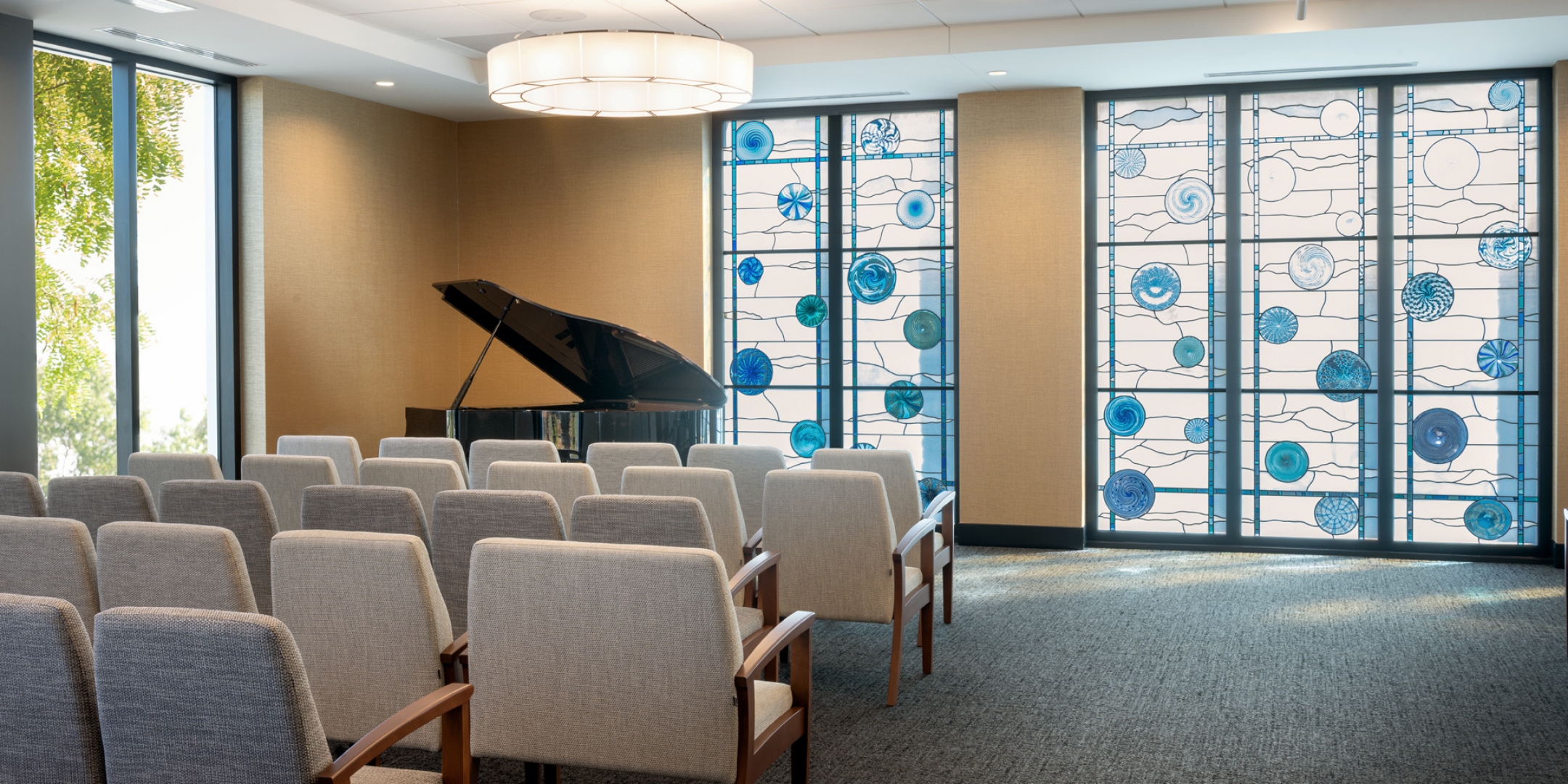
Discover the new Pavilion Ville-Marie

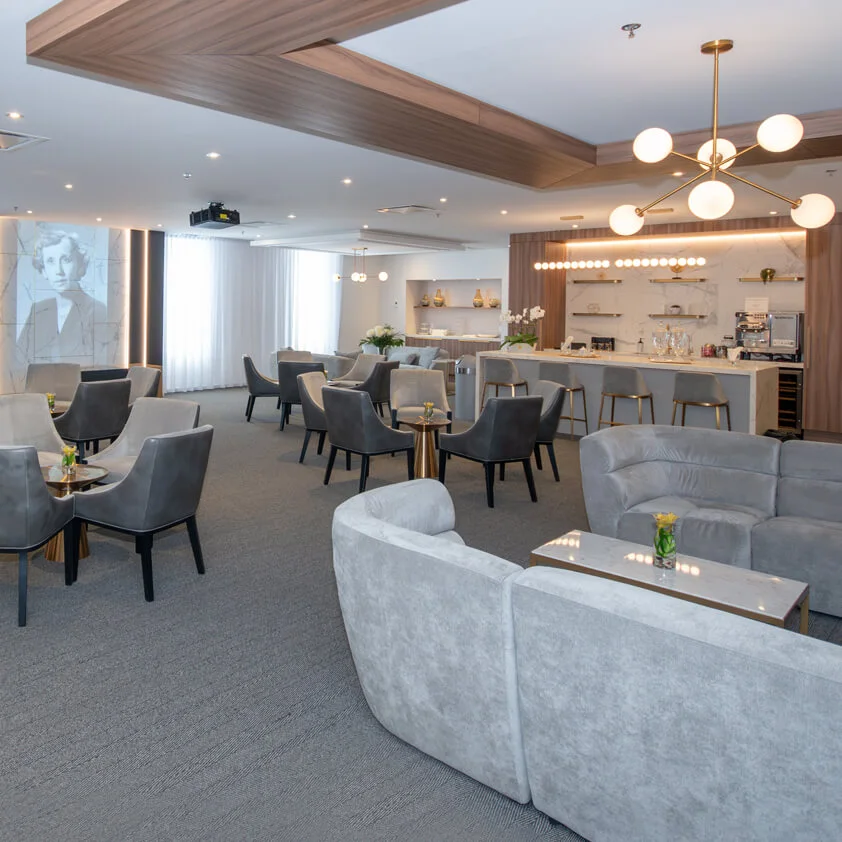
Magnus Poirier, in collaboration with Le Repos Saint-François d’Assise, proudly unveils the new Pavilion Ville-Marie, a modern and luminous funeral space in the heart of Montreal.

Designed for today’s families, the pavilion redefines the funeral experience through contemporary and peaceful settings that bring together reflection, connection, and serenity.

Peaceful Reflection Rooms
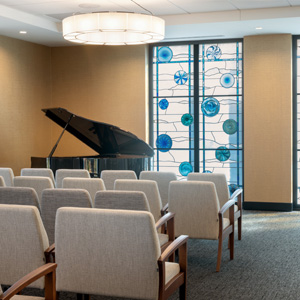
From the moment you enter, a sense of calm and harmony surrounds you. The parlors are filled with natural light, creating intimate and tranquil spaces where families can gather, share memories, and find comfort.

Modern and Flexible Reception Rooms
The pavilion also offers multifunctional reception rooms, designed to host gatherings and receptions after the ceremony. Elegant and versatile, they allow families to personalize every tribute and moment of togetherness.

La Source : A Unique Funeral Ritual
Among the pavilion’s highlights, the tribute salons and La Source provide a deeply meaningful experience. This exclusive funeral ritual, centered around the symbolism of water, represents continuity, peace, and renewal, offering a moment of beauty and reflection.

A Space of Light, Humanity, and Respect
Every detail of the Pavilion Ville-Marie reflects Magnus Poirier’s commitment to compassion and innovation. With its modern design, serene atmosphere, and thoughtful service, it offers families a space where remembrance meets peace.

We warmly invite you to visit and discover the Pavilion Ville-Marie, a place where modern architecture and timeless compassion come together in the heart of Montreal.

The Magnus Poirier approach

Our values

Chaleur

Warmth

The Magnus Poirier team will be there for you at any time and for as long as you need it.

Écoute

Listening

From direct arrangements to turnkey funeral services, the Magnus Poirier team respects your wishes.

Respect

Respect

The Magnus Poirier team stands out for its openness and flexibility in meeting its customers’ diverse and constantly evolving needs.

Famille

Family

Magnus Poirier, a five-generation family business, has close to 200 employees, about 20 of whom are members of the Poirier family.

This site is registered on wpml.org as a development site. Switch to a production site key to remove this banner.